Your cart is currently empty.

From Sketch to Skin: A Day in the Digital Atelier
How virtual tools are transforming the way we imagine, design, and wear fashion
Forget needles and mannequins today’s fashion atelier is lit by screens, guided by styluses, and powered by pixels.
Welcome to the digital atelier a space where creativity meets code, and where fashion is born not from fabric first, but from form, motion, and simulation.
But what does a day look like in this new type of studio? How does a sketch become something we can wear in real life, or in the metaverse?
Let’s step inside.
A- The New Tools of the Trade
In the digital atelier, your “sewing machine” might be a Wacom tablet. Your fabric? A virtual material with physics presets. The key instruments?
- CLO3D / Browzwear – realistic garment simulation
- Blender / Marvelous Designer – for sculptural and animated pieces
- Procreate / Sketchbook – digital sketching and ideation
- Substance Painter – hyperrealistic texture design
- Photoshop / After Effects – moodboard, render, animation
These tools let designers test silhouettes, simulate movement, and adjust textures all before a single thread is cut.
B- The Daily Flow: From Concept to (Virtual) Creation
9:00 – Moodboarding
The day starts with visual research: images, materials, references, keywords. It sets the tone and emotional palette.
10:30 – Sketching in Procreate
Ideas flow as rough shapes, then lines. A coat that twists like wind. A dress with liquid geometry. The sketch is refined and exported.
12:00 – 3D Modeling in CLO3D
The flat drawing is reinterpreted in 3D. Patterns are placed, simulated, and adjusted. Fabric weights, gravity, and drape bring it to life. No muslin required.
14:00 – Texturing
Using Substance or Photoshop, designers apply virtual denim, latex, silk, mesh — each with light response and tactile illusion.
15:00 – Animation or Render
The piece walks, twirls, floats. The virtual model is posed and lit. Designers export videos, stills, or interactive files for AR/VR or social media.
17:00 – Review & Iteration
No need to redo the sample. One click, and the sleeve gets longer. The hem lifts. Feedback is applied digitally. Speed meets precision.
C- Why It Matters
The digital atelier isn’t just a cool alternative it solves real industry pain points:
- Reduces waste: Fewer fabric samples, fewer physical prototypes
- Accelerates production: Cuts sampling time from weeks to hours
- Enables remote collaboration: Teams across the globe can co-design
- Empowers small brands: No need for big factories or budgets
- Expands creativity: No gravity? No problem. Digital design defies physics
And for consumers, it opens new doors:
- Try on virtually before buying
- Customize digitally
- Wear pieces in games, social media, or AR/VR platforms
D- Who’s Doing It Well?
- The Fabricant – pioneers of digital-only garments
- Auroboros – couture made for virtual bodies
- Tribute Brand – sci-fi pieces worn in photos, not closets
- Placebo Digital Fashion – blending narrative, art, and wearability
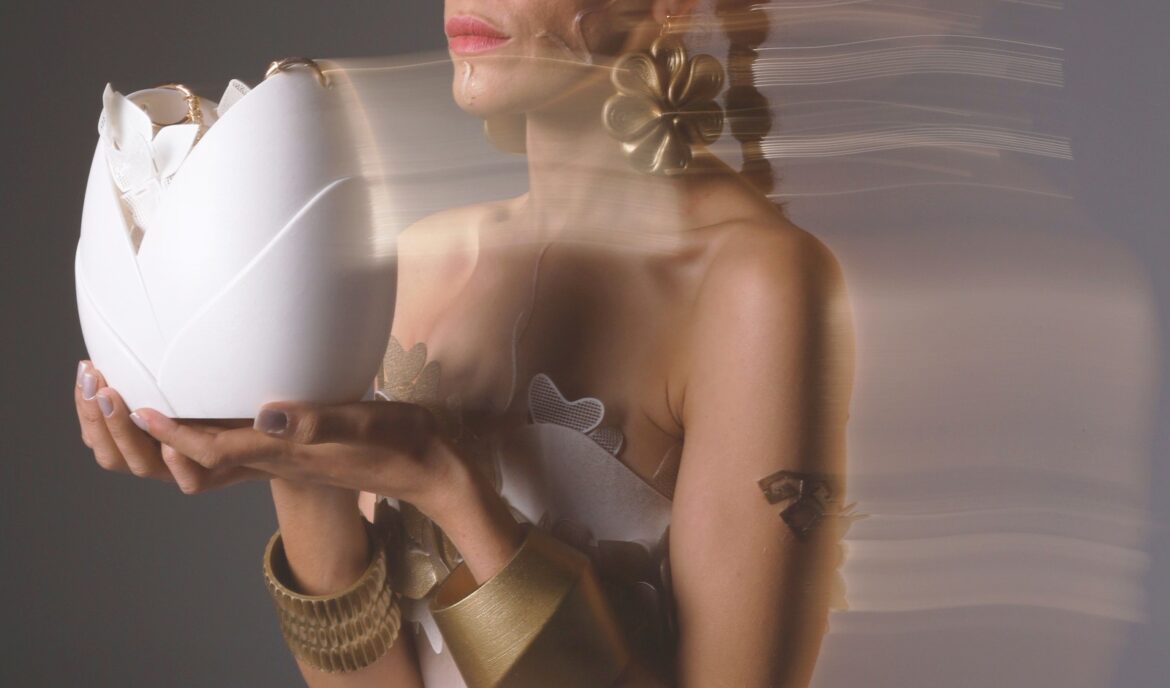
- Emna Hussein – blending modularity, 3D simulation, and real-world fashion
Even major houses like Balenciaga, Burberry, and Valentino now use CLO3D in pre-collection workflows.
E- From Virtual to Physical: The Hybrid Future
Digital design doesn’t always stay in the screen.
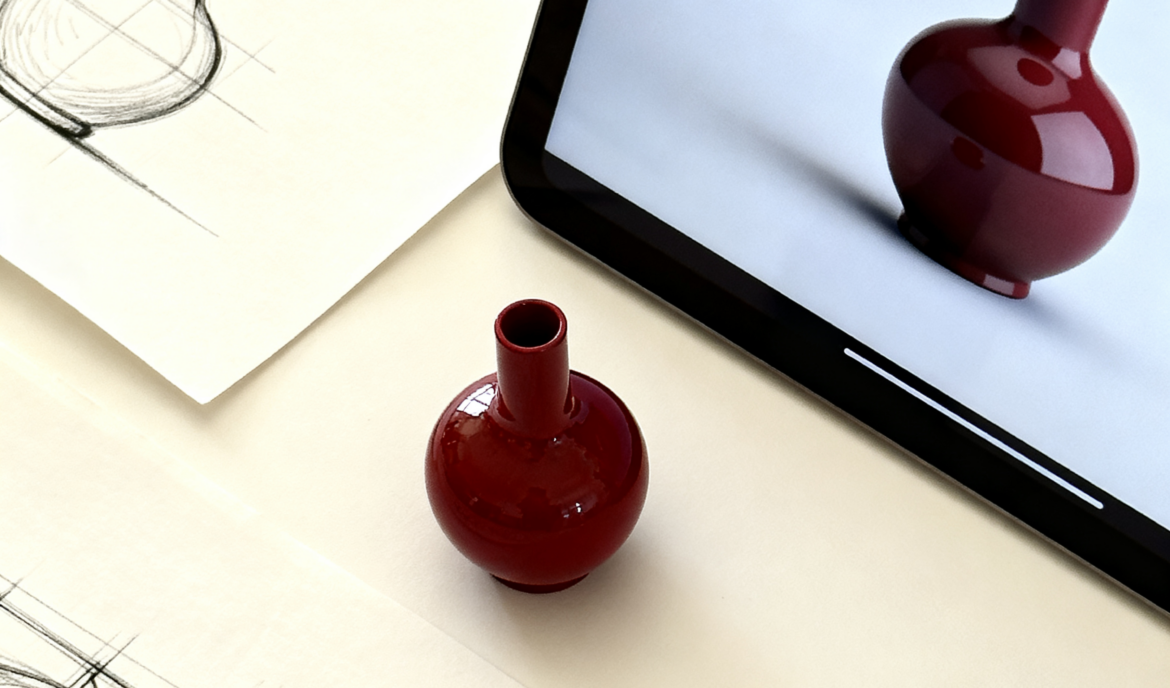
Once perfected, 3D patterns can be exported to laser cutters, plotters, or traditional sewing teams. Designers tweak fittings with virtual feedback, saving time and fabric.
This “phygital” bridge connects the digital sketch to the physical skin literally.
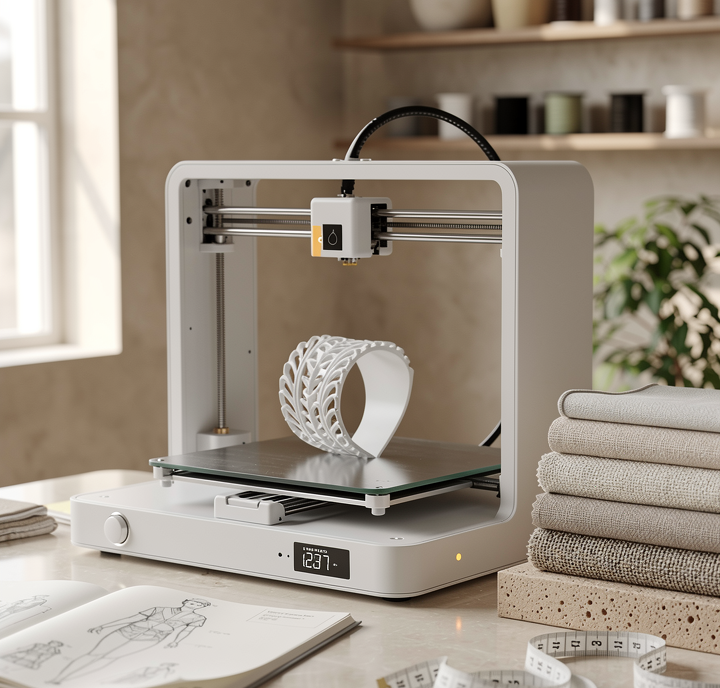
- 3D-printed elements: Accessories, panels, trims
- CNC-cut textiles: Precise construction from digital patterns
- Virtual fittings: Test on avatars before going to real fit sessions
- Augmented reality: Wear virtual prototypes through your phone
The future of the atelier? Half studio, half simulation.
F- Challenges & Learning Curves
Let’s be honest it’s not seamless (yet).
- Software mastery takes time. Not all designers are coders.
- Rendering realism can be misleading — simulated silk ≠ real silk
- Digital body diversity is still limited — most avatars lack inclusive size ranges
- Hardware limitations can bottleneck creativity (hello, render crashes)
But communities, tutorials, and open-source assets are growing fast. The learning curve is steep, but the creative payoff is massive.
Conclusion: Craft, Reimagined
The digital atelier doesn’t erase tradition it reinterprets it.
It keeps the soul of design imagination, texture, intention but gives it tools to fly faster, further, freer.
From sketch to skin, from code to couture, from pixels to presence this is not just a workflow. It’s a redefinition of fashion itself.
So whether you design with thread or with threads of code you’re welcome here.
Further Exploration
- CLO3D Academy – free learning resources
- Tribute Brand – virtual fashion store
- The Fabricant’s Studio – design garments in-browser
- Emna Hussein – our behind-the-scenes on digital workflows
- YouTube: Digital fashion process videos from creators like @bernhardwillhelm3D