Your cart is currently empty.

Fashion That Doesn’t Expire: A Modular Mindset
How modular fashion redefines timelessness, sustainability, and personal style
Forget seasonal drops and fleeting trends. A quiet revolution is reshaping our closets one detachable sleeve at a time.
Modular fashion isn’t just a design gimmick; it’s a philosophy. It’s about clothes that grow, shift, adapt and never expire. From high-concept couture to everyday basics, the modular mindset is pushing fashion toward a more sustainable, versatile, and empowering future.
But what does “modular” actually mean in fashion? And how is it changing the way we wear, own, and relate to our garments?
A- What Is Modular Fashion?
Modular fashion refers to clothing designed with interchangeable or reconfigurable components sleeves, collars, hems, panels that can be added, removed, or swapped. It invites wearers to interact with their wardrobe as a living system rather than a static collection.
Think of garments as “kits” rather than fixed forms. A jacket with zippable panels can become a vest in summer. A dress can be worn four different ways just by rearranging the parts. One piece, multiple expressions.
This system is grounded in key values:
- Longevity
- Adaptability
- Personal expression
- Resource-conscious design
B- Why Now?
The modular approach speaks directly to the urgent needs of our time.
Overproduction. Millions of garments are discarded each year often after just a few wears.
Climate anxiety. Consumers are demanding less waste and more thoughtful design.
Identity fluidity. One-size-fits-all fashion no longer fits our evolving sense of self.
Modularity offers an answer to all three with elegance.
It gives people options. Instead of owning ten garments, you own one system. Instead of chasing trends, you co-create your style day by day.
C- The Key Benefits of Modular Design
Customization Without Waste
Instead of tailoring or buying new, you adapt what you already have.
Circular Possibilities
Modular parts are easier to repair, replace, upcycle, or recycle ideal for circular fashion models.
Versatility
A single item can be styled for work, evening, travel, or lounging without packing a full suitcase.
Inclusive Fashion
Garments can evolve with bodies and identities. Modular fits serve different shapes, ages, and access needs.
D- Who’s Leading the Movement?
Some pioneers and projects to watch:
- Emna Hussein (yes, that’s us) — creating pieces that reconfigure to follow your rhythm
- Angela Luna / ADIFF — modular coats that transform into tents for displaced populations
- Petit Pli — expandable children’s wear that grows with the child
- Vollebak — outerwear designed with futuristic adaptability in mind
- Studio Adaptive Skins — researching garments that morph in response to physical or emotional states
Even brands like Nike and COS have dipped their toes into modular capsules, with detachable parts or build-your-own concepts.
E- How It’s Being Used Today
- Daily Wear: From shirts with removable collars to multifunctional trousers that zip off into shorts
- Travel Fashion: Capsule wardrobes designed to be recombined endlessly
- Adaptive Clothing: For people with disabilities or neurodivergent needs, modularity allows choice and comfort
- Rental & Sharing Models: Swappable modules make shared wardrobes easier to maintain and personalize
- Upcycling Studios: Transforming old clothes into modular creations
F- Challenges on the Way
As promising as it is, modular fashion isn’t plug-and-play yet.
- Design Complexity: Creating a beautiful piece that also functions in 5 modes is no easy feat
- Cost: More engineering = higher production costs for now
- Consumer Education: Many people don’t know how to use modular fashion yet
- Durability of Connectors: Zips, snaps, magnets all must withstand wear and tear
Still, with new materials, digital prototyping, and interest in DIY culture, solutions are emerging fast.
G- The Future of Modularity
We’re heading toward:
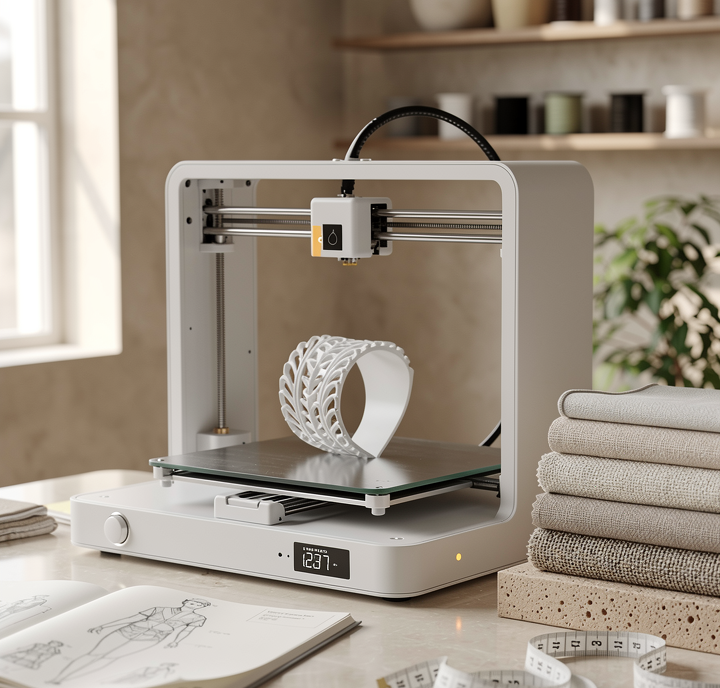
- Open-source wardrobes: Download patterns, print pieces, remix modules
- Smart connectors: Magnetic or reactive fastenings that adjust automatically
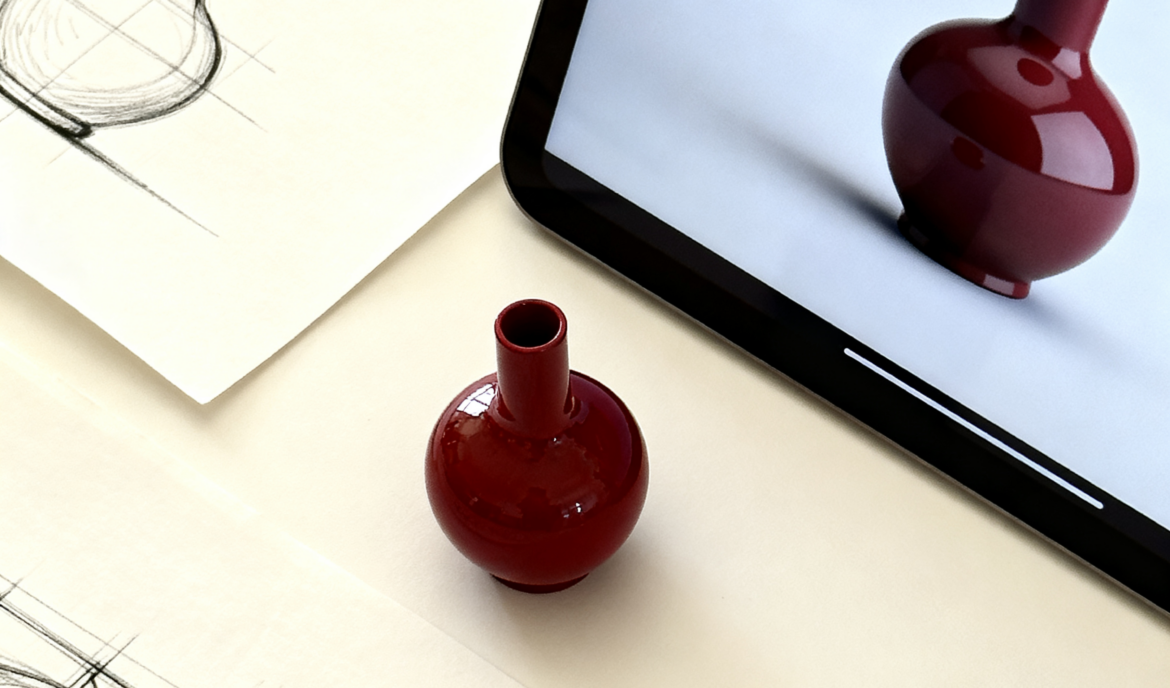
- Digital styling tools: AI apps that help users configure outfits from their modules
- Community-based design: Makers, wearers, and brands co-creating adaptive garments
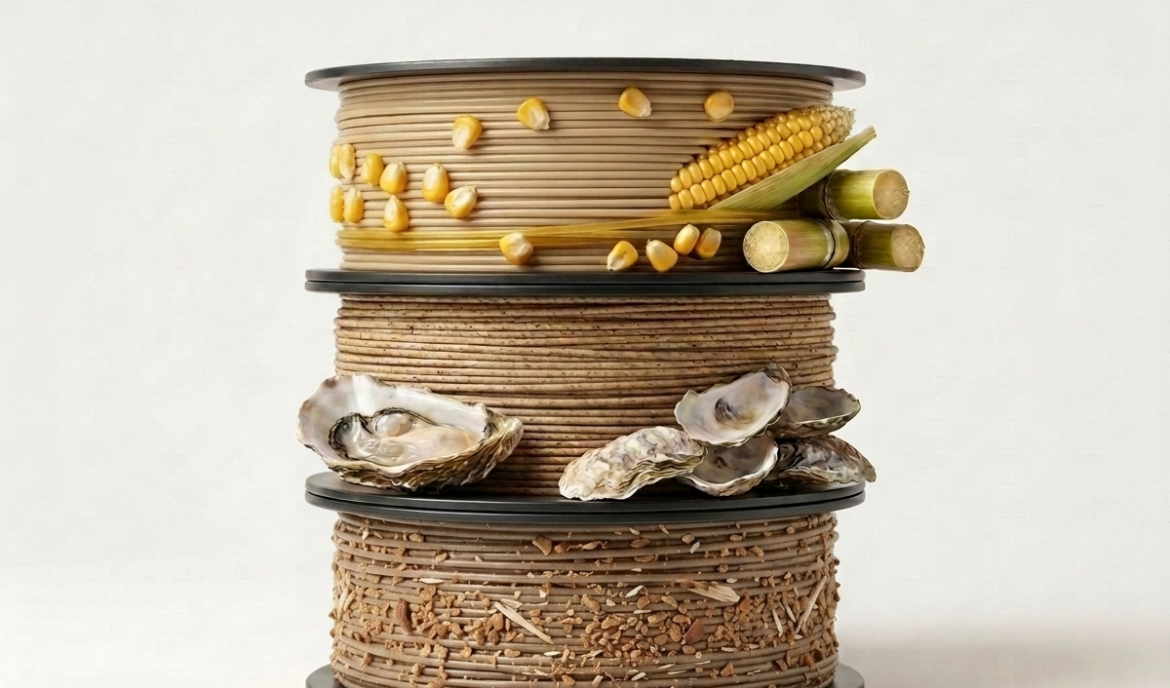
- Hybrid Capsules: Mixing 3D-printed, hand-sewn, and reworked vintage modules into one ecosystem
The goal? Fashion that’s fluid, intelligent, and deeply personal.
Conclusion: Not Just Clothes, A New Mentality
A modular mindset invites us to see fashion not as fast or fleeting, but as fluid something we build, adapt, and live with.
It’s not just about owning less. It’s about owning better. It’s about garments that evolve with us physically, emotionally, environmentally.
In this model, fashion becomes more than fabric. It becomes a conversation.
And it never goes out of style.
Further Reading & Exploration
- Emna Hussein — our latest modular collection
- https://shop.petitpli.com/?srsltid=AfmBOope7vT56VWEFywQrIlSvMZt0LuJ0k7UkiMXKMqPW-IX46IM5bBa