When Fashion Meets the Third Dimension

When Fashion Meets the Third Dimension/

How 3D printing is reshaping the way we design, produce, and wear fashion

From haute couture ateliers to independent labs, a quiet revolution is taking place — one printed layer at a time.

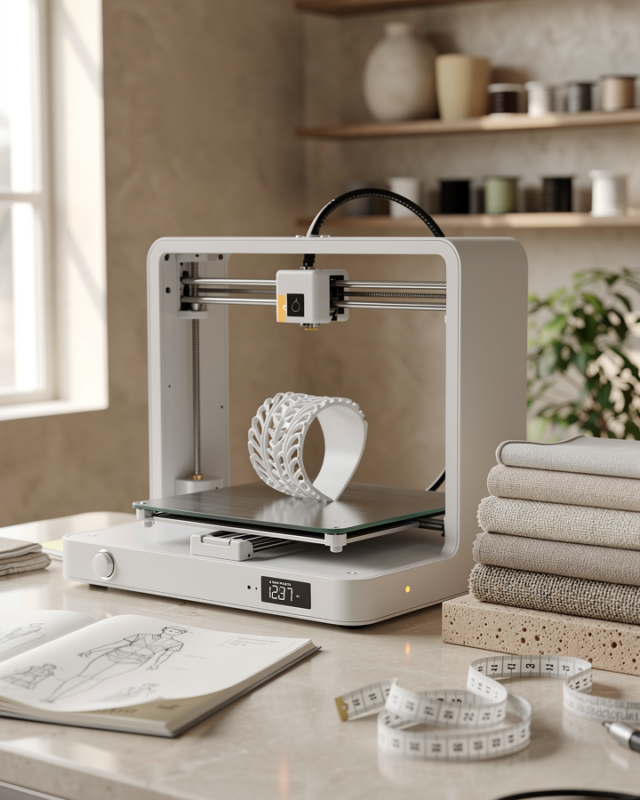
3D printing, once reserved for prototyping or industrial engineering, has become a powerful tool for fashion design.
It enables creators to produce sculptural forms, modular accessories, and garments without the need for sewing, moulds, or mass production.

But beyond the headlines and viral Instagram posts, what does 3D fashion mean — and what can it do for the future of the industry?


A-What Is 3D Fashion?

3D fashion refers to the use of additive manufacturing — often via FDM (Fused Deposition Modelling) — to create wearable objects or full garments from digital files.

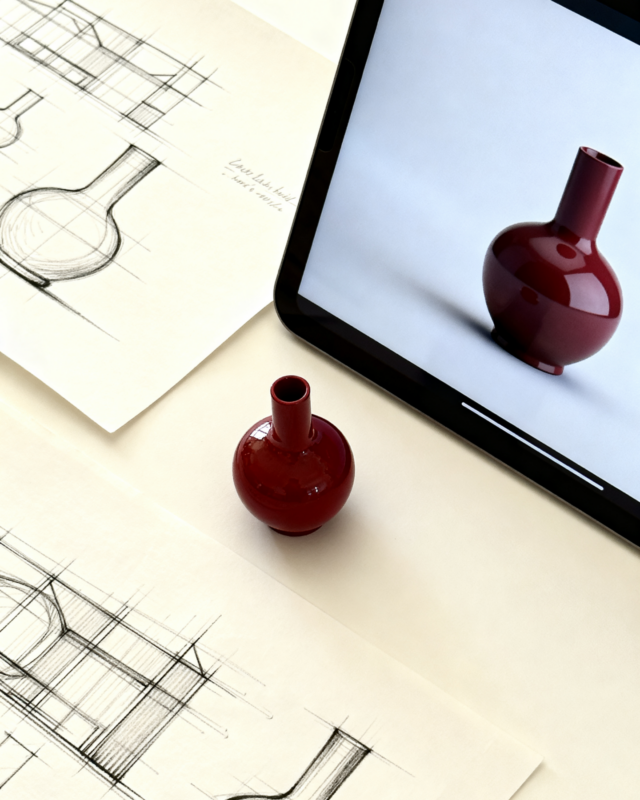
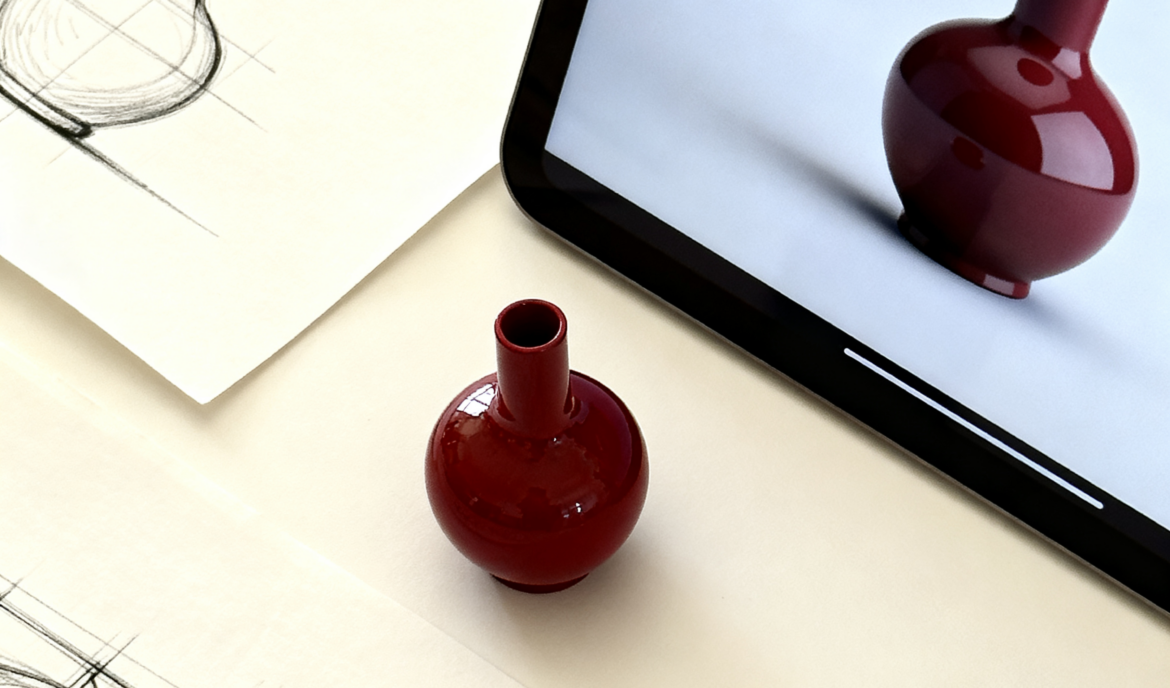
Instead of stitching patterns from flat fabric, designers now work with software like CLO3D, Rhino, or Blender to create complex geometries and volumes.
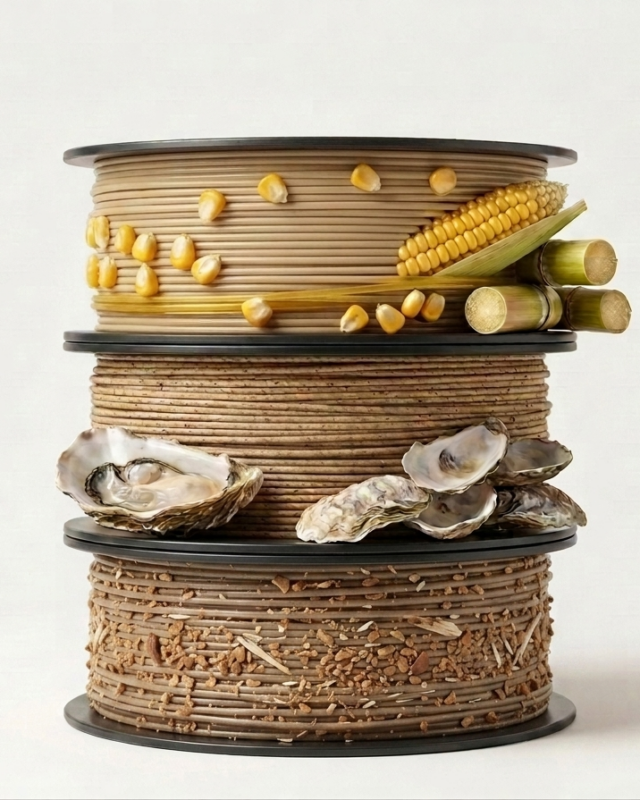
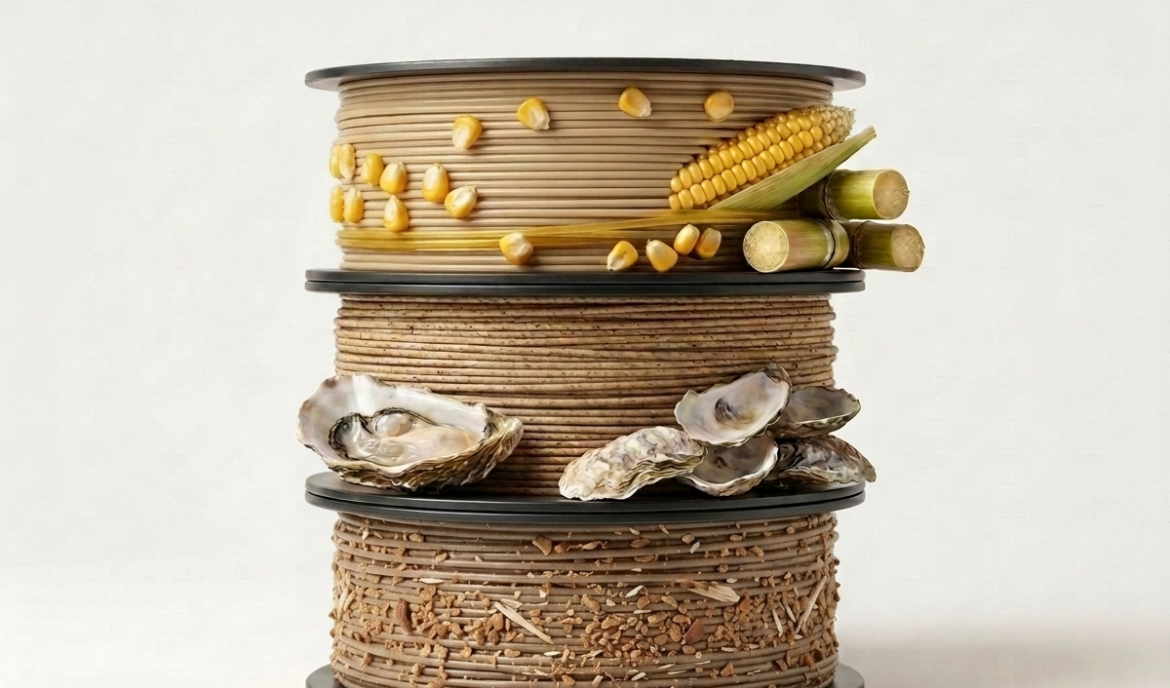
These are then printed using filaments such as PLA (a plant-based plastic) or TPU (a flexible, skin-safe polymer).

Key Advantages of 3D Fashion

  • Zero-Waste Production

-No cutting waste

-No overstock or surplus

-On-demand printing only when needed

  • Form Innovation

-Creation of complex curves, tessellations, and interlocking parts

-Designs not achievable by hand or traditional methods

  • Modularity & Personalization

-Parts can be swapped, reprinted, resized

-New possibilities for adaptive fashion and inclusivity

  • Sustainable Experimentation

-Use of recycled or bio-sourced materials

-Compatibility with circular fashion systems

B- Where It’s Happening

3D fashion is no longer confined to futuristic showcases — it’s entering real-world workflows.

Key players and movements include:

  • Iris van Herpen: pioneer of sculptural couture, integrating 3D printing with handwork
  • The Fabricant: digital-only fashion house exploring CGI + virtual clothing
  • Ganit Goldstein: known for combining 3D printing with Japanese weaving techniques
  • Ministry of Supply: using 3D knitting and printing for sustainable performance wear
  • Elegoo, Prusa, Creality: desktop printer brands enabling indie designers to prototype affordably
  • STL marketplaces: sites like Printables and Cults3D now feature fashion STL files for accessories and decor


C- How Designers Are Using It

  1. Sculptural Accessories
    • Cuffs, bags, belts, and statement pieces printed from PLA or flexible TPU
  2. Hybrid Garments
    • 3D-printed corsets, shoulder pieces or “frames” worn over fabric
    • Integration with textiles through bonding, tulle lining, or stitching
  3. Editorial & Installation Work
    • Conceptual fashion for museums, runway, or fashion films
    • Replacing traditional embroidery with algorithmic surface design
  4. Digital Customization
    • Parametric design allows resizing or reshaping objects per body or intent
    • Future integrations with AI-driven prompt-based generation


D- What It’s Changing in Fashion

The use of 3D printing is impacting the fashion industry in several meaningful ways:

  • Rewriting Production Models: Micro-fabrication, localized manufacturing, and decentralized production become possible
  • Empowering Independent Creators: Low-cost FDM printers allow young designers to prototype outside traditional systems
  • Challenging Material Logic: The rise of composite filaments opens the door to “smart” or reactive clothing
  • Blurring the Line Between Object and Garment: Accessories become architectural, garments become modular


E- Challenges and Limitations

While promising, 3D printing in fashion still faces hurdles:

  • Comfort: Some materials can feel rigid or abrasive on skin — flexible filaments are key
  • Durability: Layer bonding, warping, and friction still limit long-term wear for some items
  • Speed: Printing a single piece can take hours — scaling remains a challenge
  • Accessibility of Skill: Software fluency (Rhino, Fusion, CLO3D) is still a barrier for some creatives

That said, new hybrid methods — combining hand-finishing, textile fusion, and 3D modelling — are bridging the gap between tech and touch.


F- Where It’s Going

The 3D fashion ecosystem is expanding in exciting directions:

  • Open-Source STL Libraries: Designers offering downloadable models (sometimes free) for personal use
  • Print-At-Home Capsules: Fashion studios launching “DIY” collections — customers print accessories themselves
  • On-Demand Couture: One-off, zero-waste, machine-sculpted pieces tailored to the wearer
  • AI x 3D Design: Prompt-based tools like Midjourney, SDXL, or Runway are now being used to generate fashion concepts later modelled in 3D
  • New Education Platforms: Courses, labs, and workshops focused on CLO3D, Rhino, and filament science are booming worldwide

Example to watch: Formnext Frankfurt 2025, where several fashion tech brands will present printed wearables alongside industrial prototypes.

Conclusion: Not a Trend — A Toolkit

3D fashion isn’t a fad or an aesthetic trick.
It’s a toolkit for rethinking how fashion is made, worn, distributed, and remembered.

It opens new doors for:

  • Creative freedom
  • Material innovation
  • Personalization
  • Cultural reinterpretation
  • Environmental responsibility

It may not replace fabric and thread — but it redefines what they can become.

Further Reading & Resources