Your cart is currently empty.
How Fashion Tech Helps Reduce Waste
The fashion industry is one of the most innovative and creative sectors in the world. Yet it is also one of the most resource-intensive. Every year, millions of garments and accessories are produced, transported, stored, and sometimes never sold.
As concerns about sustainability continue to grow, designers, brands, and innovators are looking for new ways to rethink how fashion is made.
This is where Fashion Tech comes in.
More than a trend, Fashion Tech is transforming the way products are designed, developed, and manufactured. By combining creativity with technology, it offers new opportunities to reduce waste and build a more responsible future for fashion.
Understanding Fashion Waste
Waste in fashion occurs at many stages of the production process.
It can come from:
- Excess fabric left over during manufacturing
- Unsold inventory
- Product returns
- Overproduction
- Short product life cycles
Traditional fashion production often relies on forecasting demand months in advance. Brands produce large quantities in anticipation of future sales, which can lead to surplus stock and unnecessary waste.
Fashion Tech introduces new ways of working that challenge this model.
Designing Digitally Before Producing
One of the most powerful advantages of Fashion Tech is digital design.
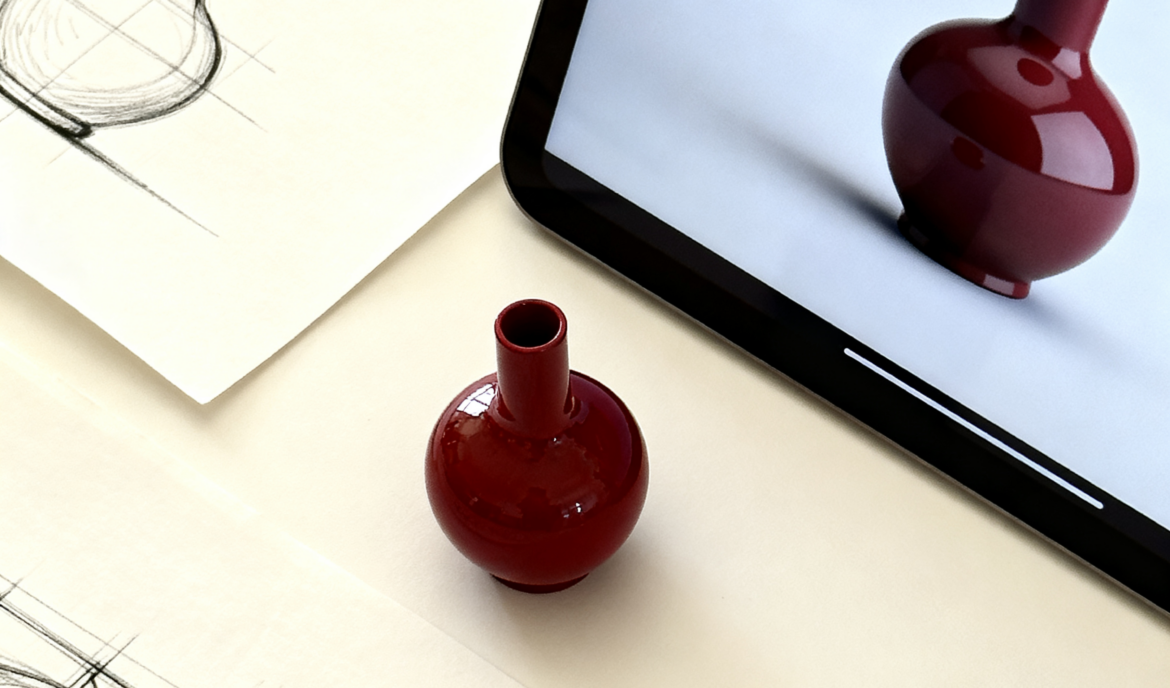
Today, designers can create, test, and refine products using advanced 3D software before producing physical samples.
This allows teams to:
- Reduce material consumption
- Limit physical prototypes
- Improve accuracy
- Accelerate development
Instead of producing multiple samples to perfect a design, many adjustments can now be made digitally.
The result is less waste and a more efficient creative process.
Producing Only What Is Needed
Technology is also enabling a shift towards on-demand manufacturing.
Rather than producing large quantities in advance, products can be created only after an order has been placed.
This approach helps reduce:
- Overstock
- Unsold inventory
- Storage requirements
- Material waste
For emerging luxury brands and independent designers, made-to-order production offers a more thoughtful and sustainable alternative to mass production.
The Role of 3D Printing
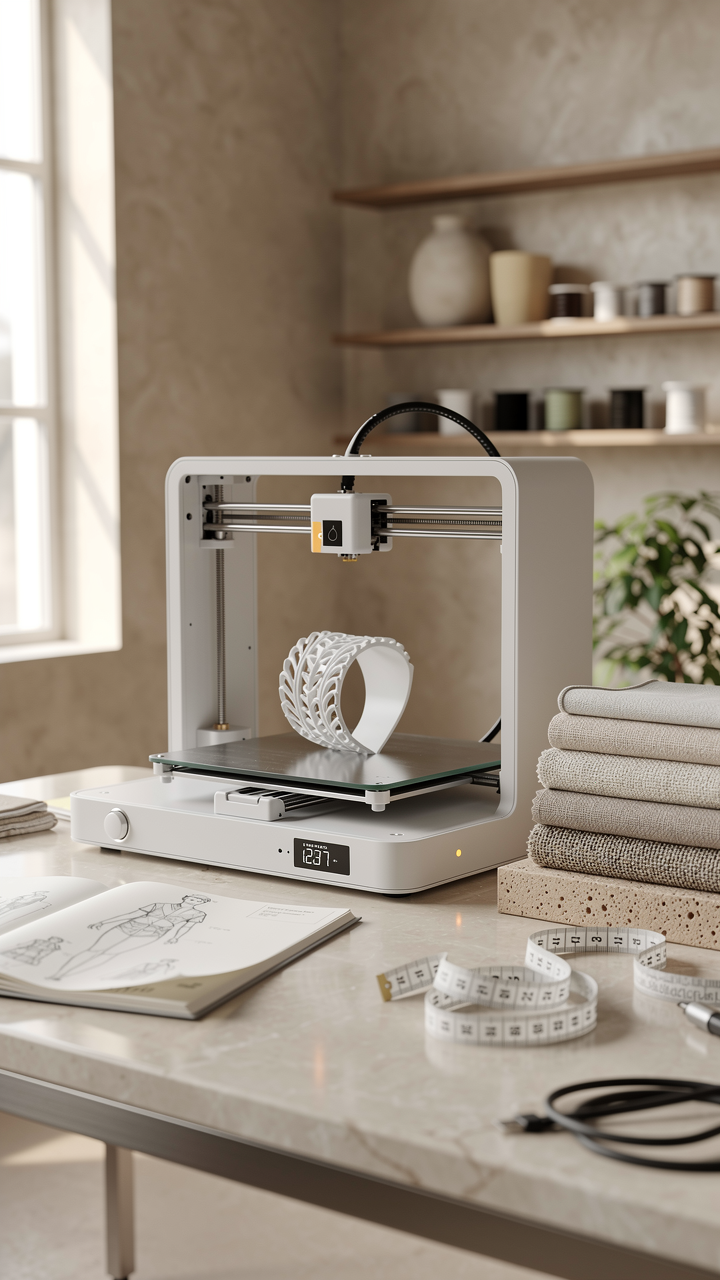
Among the technologies transforming fashion, 3D printing stands out for its ability to rethink production itself.
Unlike traditional manufacturing methods, which often require cutting, shaping, and assembling multiple components, additive manufacturing builds an object layer by layer using only the necessary material.
This process can significantly reduce production waste while opening new creative possibilities.
For designers, it means greater freedom.
For the industry, it represents a step towards more efficient manufacturing.
Smarter Materials for a Better Future
Fashion Tech is also driving innovation in materials.
Researchers and manufacturers are developing alternatives that aim to reduce environmental impact while maintaining performance and aesthetics.
Examples include:
- Recycled materials
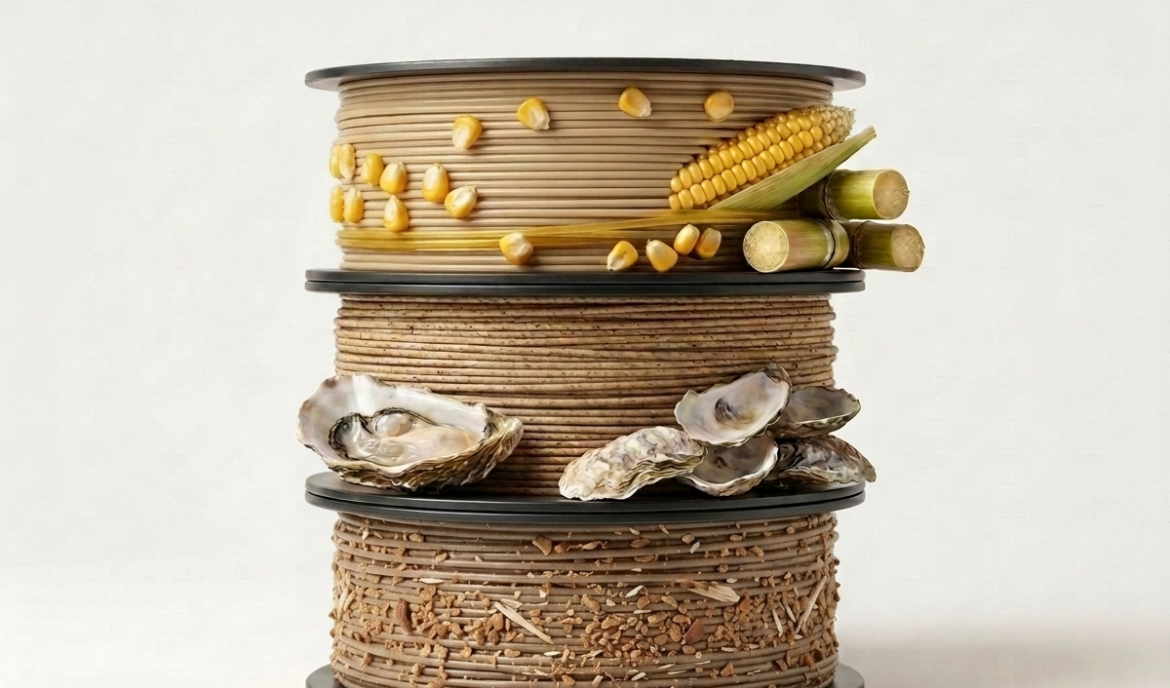
- Bio-based polymers
- Plant-derived alternatives
- Circular material systems
As these innovations continue to evolve, materials themselves are becoming part of the sustainability solution.
Innovation With Purpose
Technology alone cannot solve every challenge facing the fashion industry.
However, it provides powerful tools to help designers and brands rethink existing systems.
By embracing digital design, on-demand production, innovative materials, and smarter manufacturing methods, Fashion Tech is helping move the industry towards a future with less waste and greater intention.
The goal is not simply to produce differently.
It is to design a fashion industry where creativity, innovation, and responsibility can coexist.
Because the future of fashion is not only about what we create.
It is also about how we create it.